

It is important to stay vigilant this winter, if you, your family members or any friends, receive a text (or email) about winter fuel payments - DO NOT REPLY!
There has been a surge of 150% of scam messages ahead of Winter Fuel Payments landing in bank accounts next month.
 Know the facts:
Winter Fuel Payments are automatic — you do not need to apply.
The DWP will never ask for your bank details via text.
If you get a suspicious message, forward it to 7726 (free of charge) and delete it immediately.
 Please share this with older friends and family members to help keep them safe this winter.
Find out more: https://stopthinkfraud.campaign.gov.uk/

Okay, my apologies! It seems I jumped the gun and addressed a different "freebie" scam. You're specifically referring to the "brushing" scam, where Amazon customers in the UK receive unsolicited packages containing items they never ordered, often accompanied by a mysterious QR code or website link asking for a review. This is indeed a cunning trick, and it's important to know what's happening.
What is the "Brushing" Scam?
This scam is a form of "brushing," a deceptive tactic used by third-party sellers on e-commerce platforms like Amazon. Here's how it typically works:
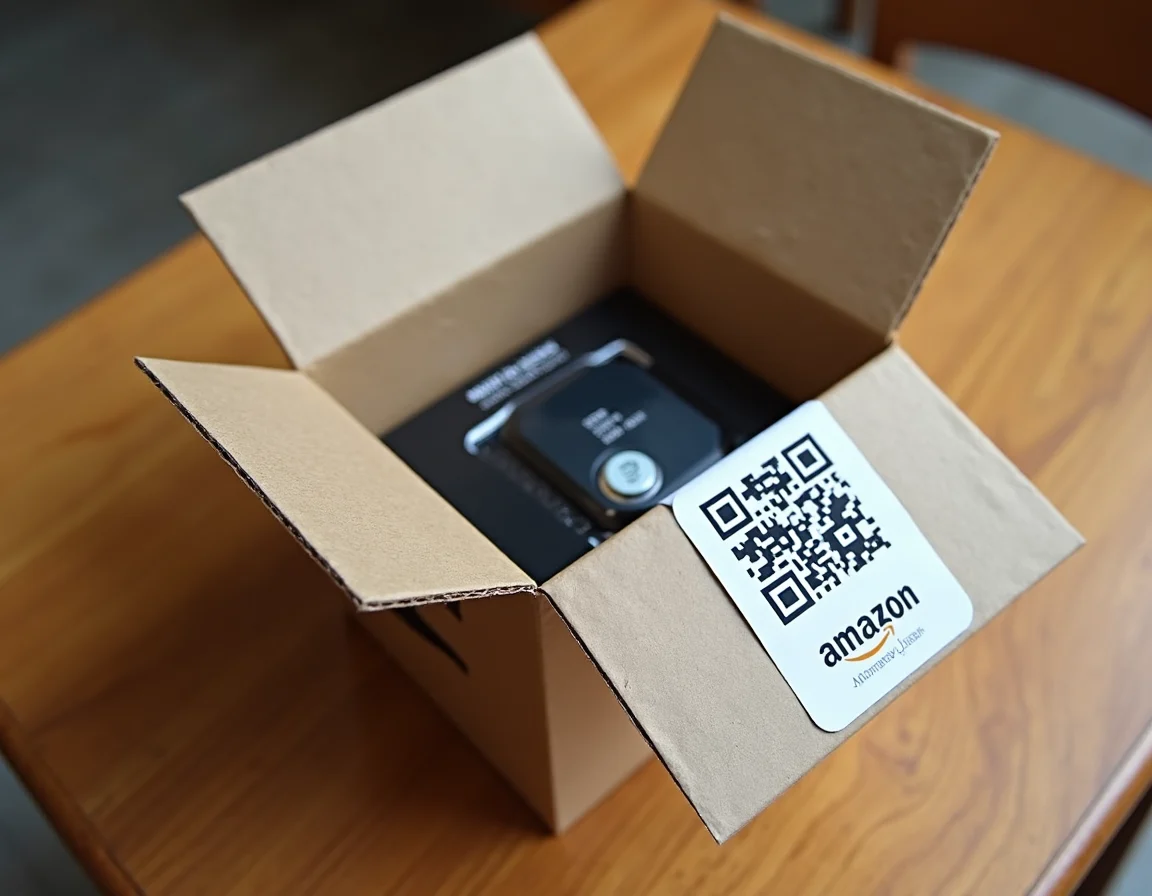
- The Unsolicited Package: You receive a package from Amazon (or an Amazon-like sender) containing an item you didn't order. It might be something small and cheap, like seeds, a phone charger, or a piece of jewellery. The package might even have your name and address on it, making it seem legitimate.
- The Mystery Sender: You check your Amazon order history, and there's no record of the purchase. The sender's name might be unfamiliar, or it could be a vague "Amazon Customer."
- The QR Code/Link: Inside the package, or sometimes on the item itself, you'll find a card or slip with a QR code or a web address. This directs you to an external website or asks you to scan the code to "claim a gift" or "leave a review" to supposedly receive something else.
Why Are Scammers Doing This?
The goal isn't necessarily to trick you into buying something or stealing your money directly from this specific interaction. Instead, brushing scams serve two main purposes for the fraudulent third-party sellers:
- Boosting Fake Reviews: By sending you an item (which constitutes a "sale" in Amazon's system), the scammer can then write a fake, positive review for their own product under your name, making it appear as a "verified purchase." This artificially inflates their product's rating and popularity, fooling genuine customers.
- Manipulating Search Rankings: More sales and good reviews, even fake ones, can push a seller's product higher in Amazon's search results, giving them illegitimate visibility over honest sellers.
When you scan the QR code or visit the link, the scammers might be trying to confirm your active address for future scams, collect more data, or lure you into other phishing attempts.
How to Handle Unsolicited Packages
If you receive an item you didn't order, especially one you suspect is part of a brushing scam, here's what to do:
- Do NOT Pay for It: You are not obligated to pay for unsolicited merchandise.
- Do NOT Contact the Sender: Avoid calling any numbers or clicking any links/QR codes provided in the package or on accompanying slips. This can confirm your details to the scammer or lead to phishing sites.
- Report It to Amazon: It's crucial to report brushing scams to Amazon directly. You can usually do this by contacting their customer service via their official website. They will log the incident and investigate the seller.
- Keep or Dispose of the Item: Since you didn't order it and aren't obligated to pay, you can generally keep the item, donate it, or dispose of it responsibly. Do not feel guilty about this!
- Change Your Amazon Password: As a precaution, consider changing your Amazon password, especially if you're concerned your account details might have been compromised elsewhere.
- Monitor Your Accounts: Keep an eye on your credit card statements and bank accounts for any unauthorized activity, just in case your details have been compromised through another scam.
The Amazon "brushing" scam is less about directly defrauding you of money in the moment and more about manipulating Amazon's system for the scammer's gain. By knowing what to look for and how to react, you can avoid unknowingly participating in these deceptive practices.
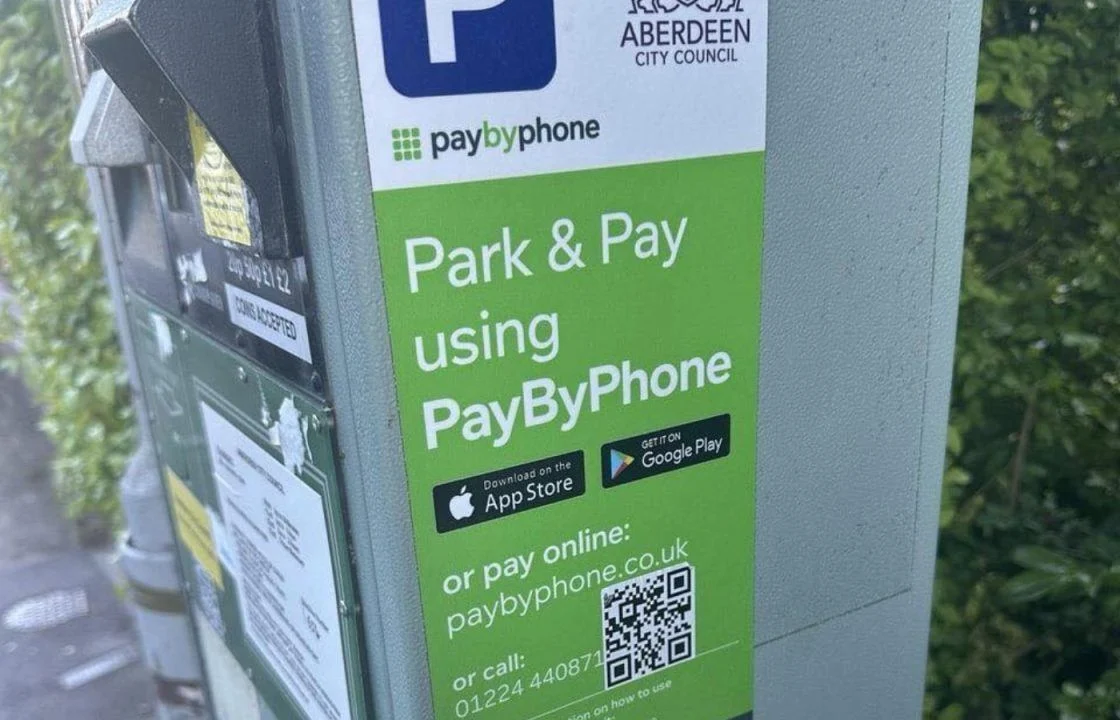
Have you ever found yourself in a car park, fumbling for change or trying to get a parking app to work, only to spot a handy QR code promising an easy payment solution? While QR codes are super convenient, there's a sneaky scam doing the rounds in the UK that you absolutely need to be aware of. It's called "quishing," and it's designed to trick you out of your hard-earned cash and personal details.
What's Happening?
Criminals are placing fake QR code stickers over or near legitimate parking payment machines and signs in car parks across the country. These aren't just shoddy printouts; they can look surprisingly official, making it easy to fall for the trap, especially when you're in a hurry.
The Double Whammy
The problem is, once you've entered your details, the scammers have them. They might take a small amount initially, perhaps just a few pounds, to test the card. But then, they can use your stolen information for bigger, more damaging fraudulent transactions.
And here's the kicker: because you've paid the scammers and not the actual car park operator, you haven't actually paid for your parking! This means you could still end up with a genuine parking fine later on, adding insult to injury.
How to Protect Yourself
Staying safe from this scam is all about being vigilant. Here are some friendly tips to help you avoid becoming a victim:
- Inspect the QR Code: Before you scan, take a moment to look closely at the QR code. Does it look like a sticker placed over the original signage? Is it slightly off-centre, or does it obscure any official information? Genuine QR codes are usually professionally printed as part of the official sign.
- Verify the Website URL: Once you've scanned a QR code, before you enter any details, check the website address in your browser. Does it look legitimate? Look for "https://" at the beginning (the 's' stands for secure) and a padlock symbol. Be wary of any misspellings, extra characters, or unusual domain endings (like .xyz, .info, etc.) that don't match the official parking provider.
- Use Official Apps or Methods: If you regularly use a specific parking app (like PayByPhone, RingGo, JustPark), it's always safest to open the app directly on your phone and pay through that. If the car park offers cash or card payment at a machine, consider using those methods if you're at all unsure about a QR code.
- Know Your Council's Policy: Many local councils in the UK do not use QR codes for parking payments. If you're parking in a council-run car park, it's worth a quick check on their official website to see their accepted payment methods. If they don't use QR codes, then any you see are definitely fake!
- Report Suspicious Activity: If you spot a suspicious QR code, please report it to the car park operator, the local council, or Action Fraud (the UK's national fraud and cybercrime reporting centre). Your report can help protect others from falling victim.
By taking a moment to "stop and think before you scan," you can keep your money and personal information safe from these cunning fraudsters. Stay alert, and happy parking!

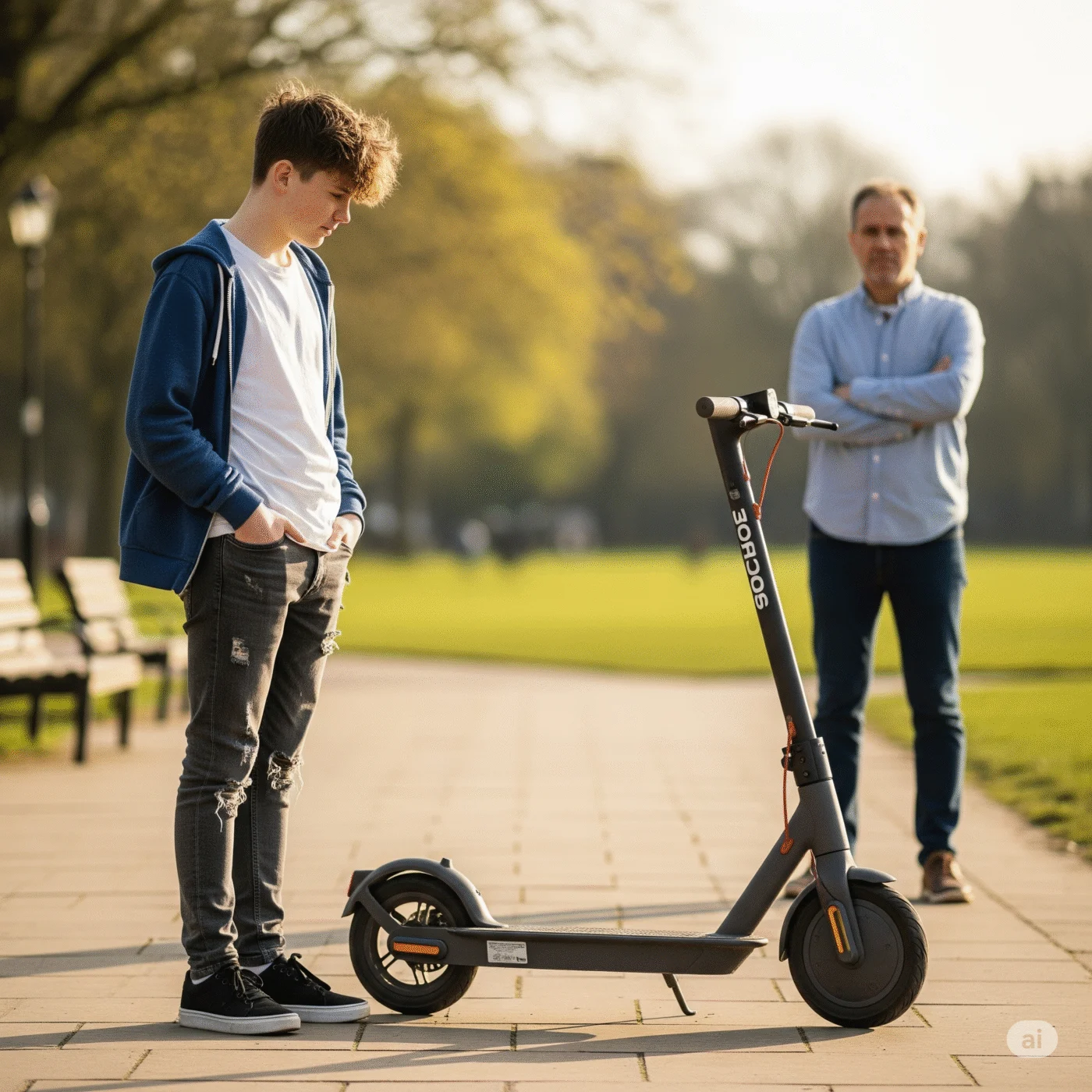
It's a common sight these days: sleek electric scooters zipping around, looking like a fun and futuristic way to get about. Many parents in Fleckney and across the UK are facing similar requests to get them as gifts. However, to be safe, it's crucial to shed light on why, under current UK law, any child under 16 (or an adult for that matter) simply cannot legally ride an e-scooter in most public places.
The Law is Clear: E-Scooters are "Motor Vehicles"
The core issue lies in how electric scooters are classified under UK law. Unlike bicycles, privately owned e-scooters are currently considered "powered transporters," which essentially puts them in the same category as motor vehicles. This means they're subject to the same rules as cars, motorbikes, and mopeds when used on public roads.
And here's where it gets tricky:
- Public Roads, Pavements, and Cycle Lanes? Illegal. For a privately owned e-scooter to be legal on public roads, it would need to meet a host of stringent requirements, including insurance, MOT certification, road tax, and displaying number plates. Crucially, it's currently not possible to get insurance for privately owned e-scooters, making their use on public land illegal. This includes pavements, cycle lanes, and parks too.
- Age Restrictions: Even if the legal framework for private e-scooters were to change, there are strict age requirements. For the government-backed rental e-scooter trials (which are only happening in specific areas, not Fleckney), riders must be 16 years old or over and hold a provisional or full UK driving licence (with Category Q entitlement). Your 14-year-old doesn't meet this age criteria for any public use.
The Risks and Consequences
While the idea of an e-scooter might seem harmless, ignoring these laws carries significant risks for both the rider and parents:
- Fines and Penalty Points: If your son is caught riding a privately owned e-scooter on public land, he could face a £300 fine and potentially six penalty points on his future driving licence. For young people without a licence, these points are recorded on a "ghost licence" and will apply when they do eventually get their provisional licence, which could lead to immediate disqualification.
- Scooter Confiscation: The police have the power to seize the e-scooter.
- Insurance Implications: Any involvement in an accident while riding an uninsured e-scooter illegally could lead to serious financial and legal repercussions. For parents, allowing underage or illegal use could also impact your own car insurance premiums.
Where Can They Be Ridden?
The only place a privately owned e-scooter can be legally ridden in the UK is on private land, with the express permission of the landowner. This means your own garden, or a friend's private property, provided you have their consent.
The Future of E-Scooters
It's important to note that the government is continually reviewing e-scooter legislation, and the ongoing trials are gathering data to inform potential future changes. However, as of right now, the rules are clear.
We understand the appeal of e-scooters, but the safety and legal implications for our young people in Fleckney are paramount. It's vital we all stay informed to ensure everyone's well-being in our community.
Do you have any questions about these regulations or other local transport issues? Let us know in the comments below.