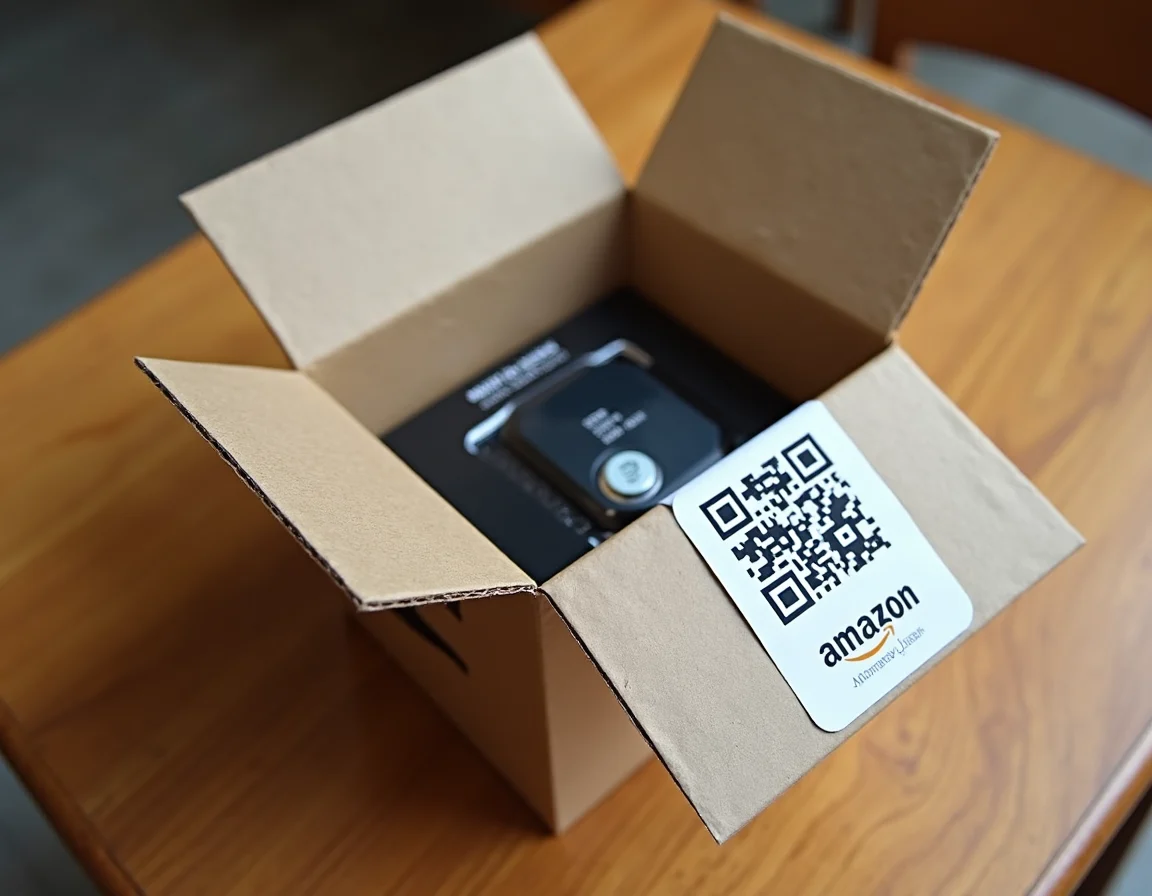


Unsolicited Packages and Fake Reviews: The Amazon "Brushing" Scam
Okay, my apologies! It seems I jumped the gun and addressed a different "freebie" scam. You're specifically referring to the "brushing" scam, where Amazon customers in the UK receive unsolicited packages containing items they never ordered, often accompanied by a mysterious QR code or website link asking for a review. This is indeed a cunning trick, and it's important to know what's happening.
What is the "Brushing" Scam?
This scam is a form of "brushing," a deceptive tactic used by third-party sellers on e-commerce platforms like Amazon. Here's how it typically works:
- The Unsolicited Package: You receive a package from Amazon (or an Amazon-like sender) containing an item you didn't order. It might be something small and cheap, like seeds, a phone charger, or a piece of jewellery. The package might even have your name and address on it, making it seem legitimate.
- The Mystery Sender: You check your Amazon order history, and there's no record of the purchase. The sender's name might be unfamiliar, or it could be a vague "Amazon Customer."
- The QR Code/Link: Inside the package, or sometimes on the item itself, you'll find a card or slip with a QR code or a web address. This directs you to an external website or asks you to scan the code to "claim a gift" or "leave a review" to supposedly receive something else.
Why Are Scammers Doing This?
The goal isn't necessarily to trick you into buying something or stealing your money directly from this specific interaction. Instead, brushing scams serve two main purposes for the fraudulent third-party sellers:
- Boosting Fake Reviews: By sending you an item (which constitutes a "sale" in Amazon's system), the scammer can then write a fake, positive review for their own product under your name, making it appear as a "verified purchase." This artificially inflates their product's rating and popularity, fooling genuine customers.
- Manipulating Search Rankings: More sales and good reviews, even fake ones, can push a seller's product higher in Amazon's search results, giving them illegitimate visibility over honest sellers.
When you scan the QR code or visit the link, the scammers might be trying to confirm your active address for future scams, collect more data, or lure you into other phishing attempts.
How to Handle Unsolicited Packages
If you receive an item you didn't order, especially one you suspect is part of a brushing scam, here's what to do:
- Do NOT Pay for It: You are not obligated to pay for unsolicited merchandise.
- Do NOT Contact the Sender: Avoid calling any numbers or clicking any links/QR codes provided in the package or on accompanying slips. This can confirm your details to the scammer or lead to phishing sites.
- Report It to Amazon: It's crucial to report brushing scams to Amazon directly. You can usually do this by contacting their customer service via their official website. They will log the incident and investigate the seller.
- Keep or Dispose of the Item: Since you didn't order it and aren't obligated to pay, you can generally keep the item, donate it, or dispose of it responsibly. Do not feel guilty about this!
- Change Your Amazon Password: As a precaution, consider changing your Amazon password, especially if you're concerned your account details might have been compromised elsewhere.
- Monitor Your Accounts: Keep an eye on your credit card statements and bank accounts for any unauthorized activity, just in case your details have been compromised through another scam.
The Amazon "brushing" scam is less about directly defrauding you of money in the moment and more about manipulating Amazon's system for the scammer's gain. By knowing what to look for and how to react, you can avoid unknowingly participating in these deceptive practices.